Source Silicone Gel Hallux Valgus Corrector for bunion relief, toe alignment, and foot care
Find 30 Silicone Gel Hallux Valgus Corrector options from verified suppliers in Guangdong. Compare models like NC0035-B and NC0167 with materials including gel and fabric, featuring CE ISO certification and customizable OEM services for bunion splints and toe separators.
Key considerations
Products List
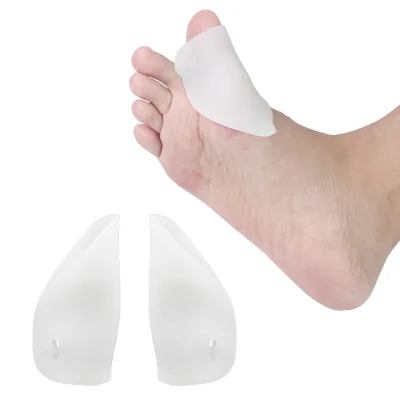
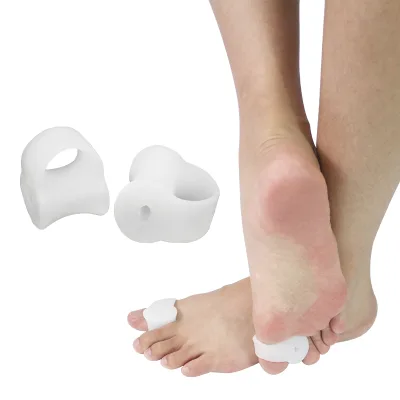
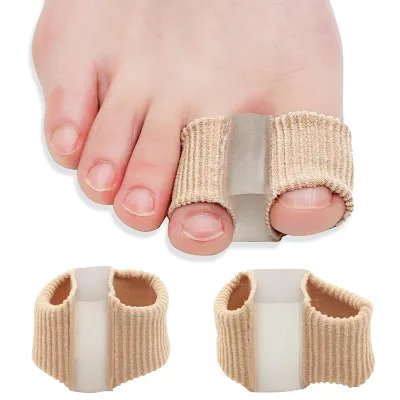
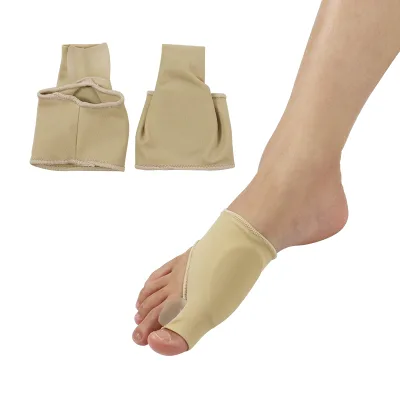






Comprehensive Sourcing Guide
Strategic Sourcing Guide for Silicone Gel Hallux Valgus Correctors
Understanding Product Variants and Material Composition
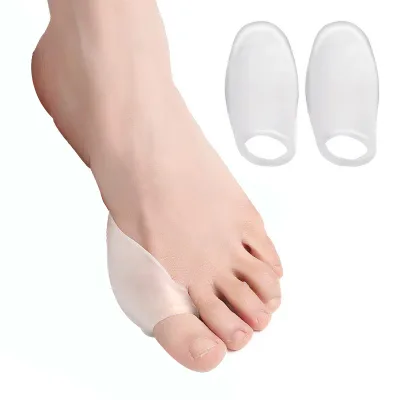
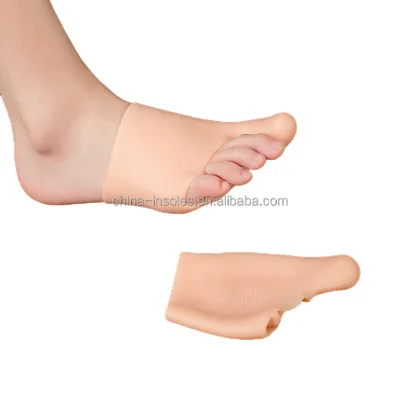
When sourcing silicone gel hallux valgus correctors, buyers must first navigate the diversity of material compositions and physical specifications available in the current market. The core keyword implies a product primarily constructed from silicone or gel materials, yet the supply base often includes variations such as fabric-based separators or silica gel composites. In the observed product data, specific entries list "Gel" and "Silica gel" as primary materials, while others specify "Fabric." This distinction is critical because the tactile feel, durability, and skin compatibility vary significantly between pure gel formulations and fabric-reinforced designs.
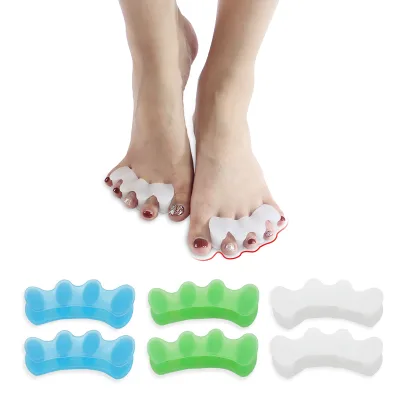
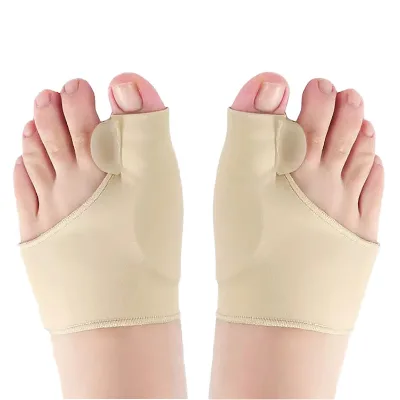
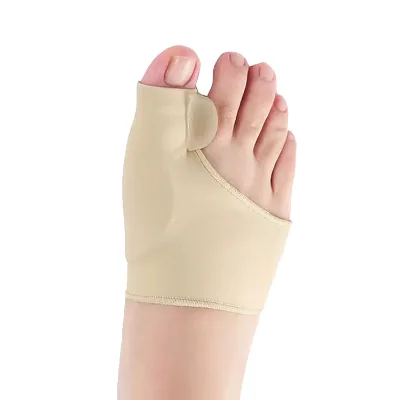
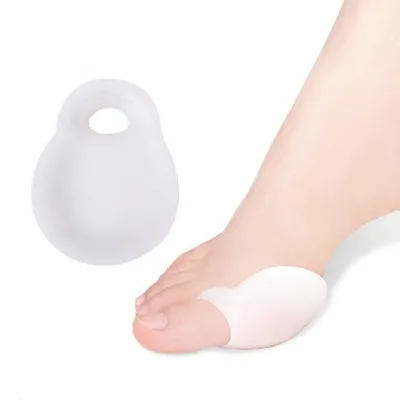
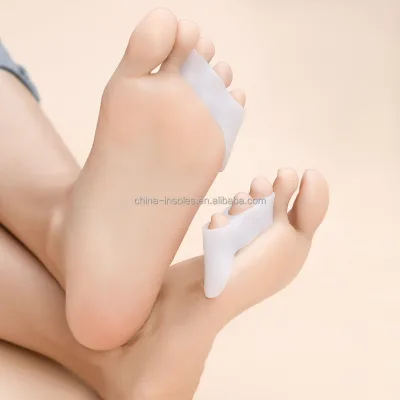
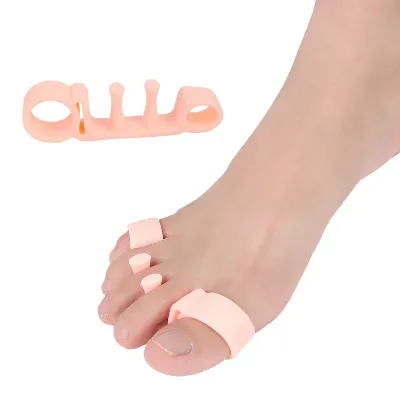
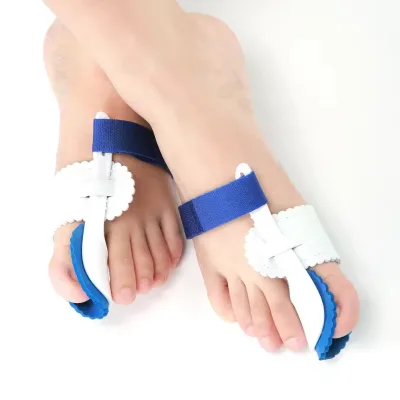
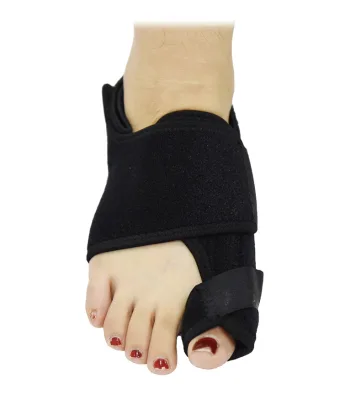
The physical form factor also differs across listings. Some products are categorized specifically as "Toe Separators" or "Finger" separators, while others are explicitly labeled as "Bunion Toe Correctors" or "Thumb Correctors." The application scope ranges from general toe separation to specific corrective functions for hallux valgus. Buyers should verify the exact application intent of a supplier's listing. For instance, one observed model is designated for "toe" use with a function of "Toe Seperator," while another is described as a "bunion corrector" and "bunion splint." Understanding these semantic nuances ensures that the procurement aligns with the specific medical or comfort needs of the end-user.
Furthermore, the sizing and fit are not uniform. Some listings indicate a "One Size Fits" approach, while others specify distinct sizes like "S, L" or "left/right" orientation. The single package dimensions also vary, with observed ranges from compact 8x8x1.8 cm packages to larger 8.8x11.5x1.8 cm configurations. These dimensional differences impact packaging costs and logistics planning. A buyer must carefully review the "Single package size" and "Single gross weight" specifications, which have been observed ranging from 0.007 kg to 0.026 kg per unit, to accurately calculate landed costs.
Technical Specifications and Functional Attributes
Technical due diligence requires a granular analysis of the product attributes provided by potential suppliers. The functional capabilities of these devices are often highlighted through specific keywords such as "Adjuster," "Corrector," or "Separator." In the context of hallux valgus, the device must provide sufficient support to realign the big toe or maintain separation to reduce friction. The observed data includes attributes like "Function: Toe Seperator" and "Feature: Adjuster," suggesting that some models offer customizable tension or fit.
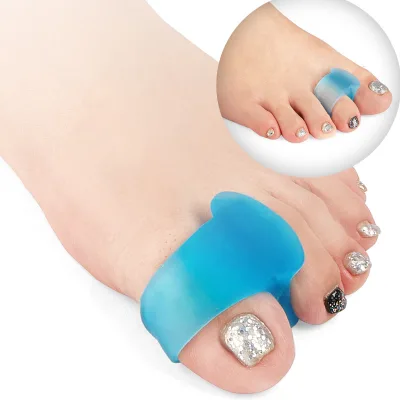
Color options are another technical variable that influences market appeal. While "White" is a common observation, listings also show "Khaki," "Blue," and "Green," as well as "As show" options. The availability of multiple colors can be a differentiator for retail packaging, but buyers must confirm if the color is a standard offering or a custom request. Additionally, the "Instrument Classification" is a vital technical specification for medical-grade devices. One observed entry lists "Class I," which typically indicates a low-risk medical device in many regulatory frameworks. Buyers should verify if this classification applies to the specific model they are sourcing, as it dictates the regulatory pathway for import and sale.
The packaging method is also a technical specification that affects product integrity. Standard observations include "1 pcs/polybag" or "1 pair/PE Bag." The choice of packaging material, such as polybag versus PE bag, may influence the perceived quality and the protection level during transit. The "Single gross weight" and "Single package size" are essential for determining shipping volume and weight-based freight charges. For example, a product weighing 0.026 kg per unit will have different freight implications compared to one weighing 0.007 kg, even if the unit price is similar.
Compliance, Certification, and Regulatory Standards
Navigating the regulatory landscape is paramount when sourcing medical or health-related devices like hallux valgus correctors. The supply data indicates that some products carry "CE" and "ISO" certifications. These are high-confidence facts that suggest compliance with European health, safety, and environmental protection standards. However, the presence of these certifications on a product page does not automatically guarantee that every batch or every model from that supplier meets the same standard. Buyers must request valid certificate copies and verify the scope of the certification to ensure it covers the specific product model and material composition.
The "Instrument Classification" of "Class I" mentioned in the data is a significant indicator of regulatory status. Class I devices generally have the lowest risk profile, but they still require registration and adherence to specific quality management systems. Buyers should confirm if the supplier holds a valid ISO certification that covers the manufacturing process, as this often correlates with the ability to maintain consistent product quality. Additionally, while "RoHS" is mentioned in background knowledge, it should not be assumed as a confirmed attribute without explicit verification from the supplier.
It is crucial to distinguish between marketing claims and verified compliance. The term "CE ISO" appears in the data, but buyers should not treat this as a blanket guarantee for all products from a specific brand. Instead, they should request documentation for the specific model number, such as "NC0035-B" or "NC0167," to ensure the certification is current and applicable. The "after_sale_service" of "Online technical support" suggests a level of supplier engagement, but this does not replace the need for formal regulatory compliance documentation.
Cost Drivers and Pricing Dynamics
The pricing structure for silicone gel hallux valgus correctors is influenced by several factors, including material quality, certification status, and order volume. The observed price range in the market spans from $0.12 to $3.30 USD. This wide variance suggests that price is not solely a function of the base material but is heavily impacted by the level of customization, packaging, and regulatory compliance. Lower-priced items may be basic, non-certified separators, while higher-priced items likely include advanced features, custom branding, or verified medical certifications.
Minimum Order Quantity (MOQ) is a significant cost driver. The data shows an MOQ range from 1 to 1000 units, with specific observations of "5 pcs" and "5 Pairs." Suppliers with lower MOQs may charge a higher unit price to cover setup and handling costs, whereas larger orders typically benefit from economies of scale. Buyers must balance the desire for low unit costs with the risk of overstocking. The "Selling Units" being listed as "Single item" or "1 Pair" indicates that the pricing is often per unit or per pair, and buyers should clarify the exact unit of measure to avoid calculation errors.
Customization services, such as "OEM/ODM" and "Accept Customized Logo," also add to the cost. While many suppliers accept these requests, the setup fees and minimums for custom branding can increase the overall procurement cost. The "Service: ODM OEM Service" attribute confirms that these capabilities are available, but the specific costs and lead times for customization must be negotiated separately. Buyers should factor in these potential additional costs when comparing the total landed cost of different suppliers.
Supplier Evaluation and Capability Assessment
Evaluating suppliers requires a focus on their ability to meet specific technical and logistical requirements. The "Place of Origin" for the observed products is consistently "Guangdong, China," a region known for its manufacturing capabilities in medical and consumer goods. However, location alone does not guarantee quality. Buyers should assess the supplier's "Brand Name," such as "Skyfoot" or "Shiheng," but should not rely on brand reputation alone without verifying their specific product capabilities.
The "OEM/ODM" and "Accept Customized Logo" attributes indicate flexibility in production. A supplier that accepts these services is likely more adaptable to a buyer's specific needs, such as private labeling or custom packaging. However, buyers must verify the supplier's capacity to handle these requests efficiently. The "Service: ODM OEM Service" suggests a structured approach to customization, but the actual execution depends on the supplier's internal processes.
Quality control is another critical aspect of supplier evaluation. The "after_sale_service" of "Online technical support" is a positive indicator, but buyers should also inquire about the supplier's internal quality assurance protocols. Do they conduct batch testing? What is their defect rate? The "Certificate: CE ISO" is a strong starting point, but it should be complemented by questions about their manufacturing quality control standards. Buyers should also check the "Warranty" terms, as one observed listing mentions a "3 years" warranty, which is a significant differentiator in supplier reliability.
Quality Control and Inspection Protocols
Implementing a robust quality control (QC) protocol is essential to ensure that the received goods meet the specified requirements. Given the variation in materials (Gel, Silica gel, Fabric) and the critical nature of the application (foot correction), visual and functional inspections are necessary. Buyers should verify the "Single gross weight" and "Single package size" upon receipt to ensure consistency with the ordered specifications. Discrepancies in weight or dimensions can indicate material substitution or packaging errors.
The "Color" consistency is another QC checkpoint. With options ranging from "White" to "Khaki" and "Blue," buyers must ensure that the delivered products match the agreed-upon color specifications. Variations in color can affect the aesthetic appeal and perceived quality of the final product. Additionally, the "Instrument Classification" should be verified to ensure the product meets the intended regulatory standards.
Functional testing is also important, particularly for products claiming to be "Adjusters" or "Correctors." Buyers should test the tension and fit of the devices to ensure they provide the intended support without causing discomfort. The "Feature: Adjuster" attribute suggests that some models have adjustable components, which must function smoothly and securely. Packaging integrity is another area of focus; the "Package: 1 pcs/polybag" or "1 Pair/polybag" must be intact to prevent contamination or damage during transit.
Long-Term Procurement and Supply Chain Considerations
Sourcing hallux valgus correctors is not just a one-time transaction but a long-term partnership that requires careful planning. The "MOQ" flexibility, ranging from 1 to 1000 units, offers buyers the ability to scale their orders based on demand. However, buyers should consider the lead times and production capacity of their suppliers to ensure a steady supply. The "Place of Origin: Guangdong, China" suggests a mature supply chain, but geopolitical factors and logistics can impact delivery times.
The "Warranty" term, such as the observed "3 years," is a significant factor in long-term procurement. A longer warranty period indicates the supplier's confidence in their product's durability and quality. Buyers should negotiate warranty terms that align with their business needs, ensuring that they have recourse in case of product failure. The "after_sale_service" of "Online technical support" is also a valuable asset for resolving issues that arise after the initial sale.
Customization capabilities, such as "Accept Customized Logo" and "OEM/ODM," allow buyers to build a unique brand identity. However, these services require careful management to ensure that the customization does not compromise the product's quality or regulatory compliance. Buyers should establish clear guidelines for customization and maintain open communication with the supplier to ensure that all requirements are met.
Finally, buyers should monitor market trends and regulatory changes that could impact the sourcing of these products. The "CE ISO" certification and "Class I" classification are subject to updates and changes. Staying informed about these developments will help buyers maintain compliance and avoid disruptions in their supply chain. By focusing on these long-term considerations, buyers can build a resilient and efficient procurement strategy for silicone gel hallux valgus correctors.
Comparative Analysis of Key Product Attributes
To facilitate decision-making, the following table summarizes the key attributes observed in the product data, highlighting the variations that buyers should consider during the sourcing process.
| Attribute | Observed Variations | Sourcing Implication |
|---|---|---|
| Material | Gel, Silica gel, Fabric | Determines comfort, durability, and skin compatibility. |
| Application | Toe Separator, Bunion Corrector, Thumb Corrector | Must match the specific medical or comfort need. |
| Color | White, Khaki, Blue, Green, As show | Affects retail appeal; verify color consistency. |
| Size | One Size Fits, S, L, Left/Right | Impacts fit and return rates; verify sizing charts. |
| Certification | CE, ISO, Class I | Critical for regulatory compliance; verify validity. |
| MOQ | 1, 5 pcs, 5 Pairs, up to 1000 | Influences unit cost and inventory risk. |
| Packaging | 1 pcs/polybag, 1 pair/PE Bag | Affects logistics cost and product protection. |
| Weight | 0.007 kg to 0.026 kg | Impacts freight charges and shipping volume. |
| Customization | OEM/ODM, Custom Logo | Adds value but may increase cost and lead time. |
| Warranty | 3 years (observed) | Indicates supplier confidence; negotiate terms. |
This comparative analysis underscores the importance of detailed due diligence. Buyers should not assume that all products with the same core keyword are identical. Instead, they must carefully evaluate each attribute against their specific requirements to ensure the best value and quality for their procurement needs.
FAQs
What materials are used for silicone gel hallux valgus correctors?
Products are primarily made from Gel, Silica gel, or Fabric. Buyers should verify the specific material listed for each model, as options include Gel, Silica gel, and Fabric. This distinction affects durability and skin compatibility.
Which certifications do these correctors typically hold?
Many listings display CE and ISO certifications. Buyers must request valid certificate copies to ensure compliance covers the specific model. One observed entry also lists an Instrument Classification of Class I.
Can suppliers provide custom logo and packaging options?
Yes, most suppliers accept OEM and ODM services with customized logos. The service attribute confirms ODM OEM capabilities are available. Buyers should negotiate setup fees and minimums for these custom branding requests separately.
What is the typical minimum order quantity for these items?
The observed MOQ ranges from 1 to 1000 units, with specific listings showing 5 pcs or 5 pairs. Lower MOQs may result in higher unit prices to cover handling costs. Buyers must clarify the exact unit of measure.
Where are these products typically manufactured?
The place of origin for observed products is consistently Guangdong, China. This region is known for manufacturing medical and consumer goods. Buyers should assess supplier quality control rather than relying solely on location.
How do pricing and weight vary across different models?
Prices range from 0.12 to 3.3 USD, influenced by material and certification. Single gross weights vary from 0.007 kg to 0.026 kg. These differences impact shipping volume and freight charges significantly.